Vision Therapy
What Is Vision Therapy?
Vision Therapy is an individualized, supervised, treatment program designed to correct visual-motor and/or perceptual-cognitive deficiencies.

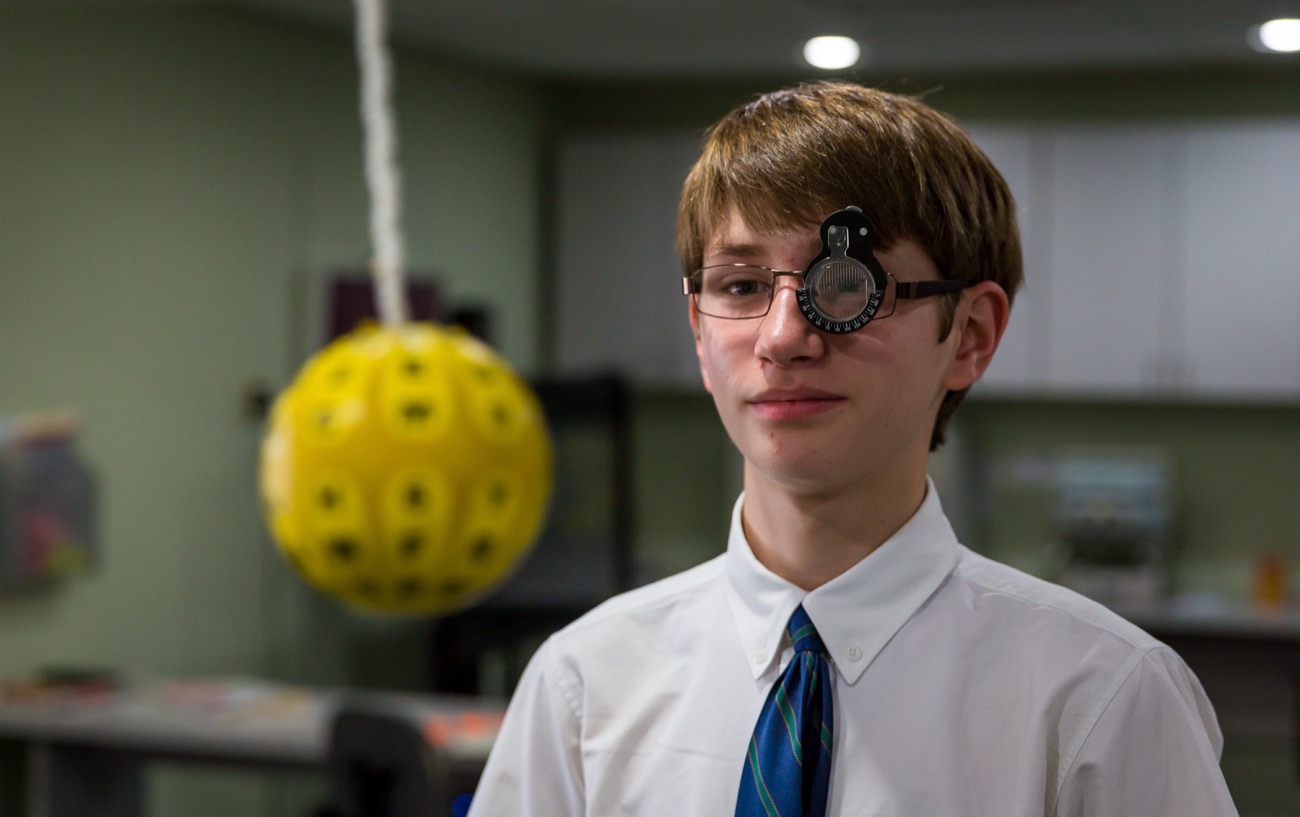
Vision Therapy is an individualized, supervised, treatment program designed to correct visual-motor and/or perceptual-cognitive deficiencies.
Visual-motor skills and endurance are developed through the use of specialized computer and optical devices, including therapeutic lenses, prisms, and filters. During the final stages of therapy, the patient’s newly acquired visual skills are reinforced and made automatic through repetition and by integration with motor and cognitive skills.
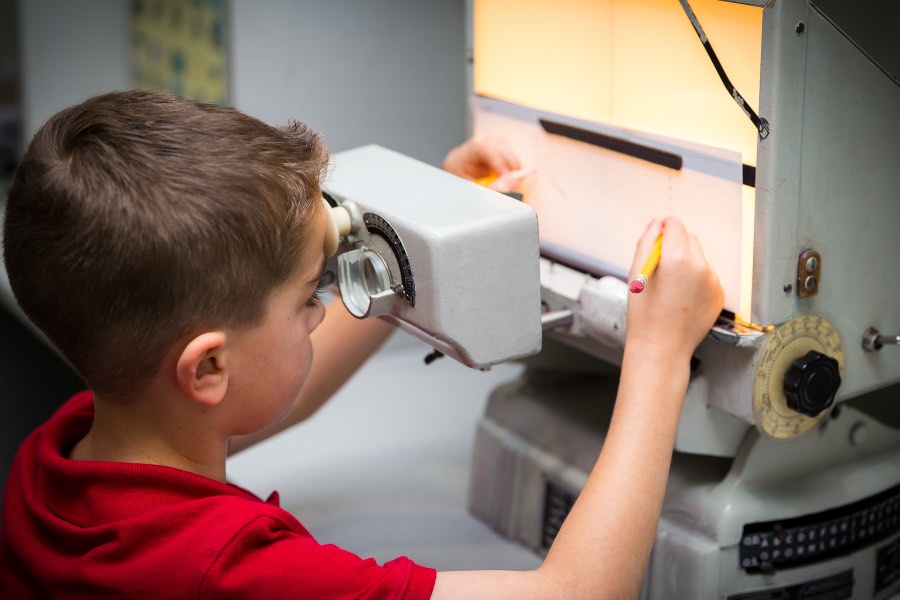
Vision Therapy can help those individuals who lack the necessary visual skills for effective reading, writing, and learning (i.e., eye movement and focusing skills, convergence, eye-hand activity and visual memory skills).
When the two eyes fail to work together as an effective team, performance in many areas can suffer (reading, sports, depth perception, eye contact, etc.). Vision Therapy rectifies this, by helping individuals develop normal coordination and teamwork of the two eyes (binocular vision).
Convergence insufficiency occurs when the eyes don’t turn inward properly while focusing on a nearby object. Recent scientific research, funded by the National Eye Institute and conducted at Mayo Clinic, has proven that in-office Vision Therapy is the best treatment for Convergence Insufficiency: View 2005 Trials · View 2008 Trials
Vision Therapy programs offer much higher cure rates for turned eyes and/or lazy eye when compared to eye surgery, glasses, and/or patching, without therapy. The earlier the patient receives Vision Therapy the better; however, our office has successfully treated adults of all ages.
Current culture and modern lifestyles demand more from our vision than ever before. C.V.S. (Computer Vision Syndrome) is one of the fastest growing health concerns in the workplace today. Environmental stresses on the visual system (including excessive computer use or close work) may induce eyestrain, headaches, and/or visual difficulties, which can be effectively treated with corrective lenses and/or Vision Therapy.
Vision can be compromised as a result of neurological disorders or trauma to the nervous system (such as, traumatic brain injuries, stroke, whiplash, developmental delays, cerebral palsy, multiple sclerosis, etc.). Vision Therapy can effectively treat the visual consequences of trauma (including double vision).
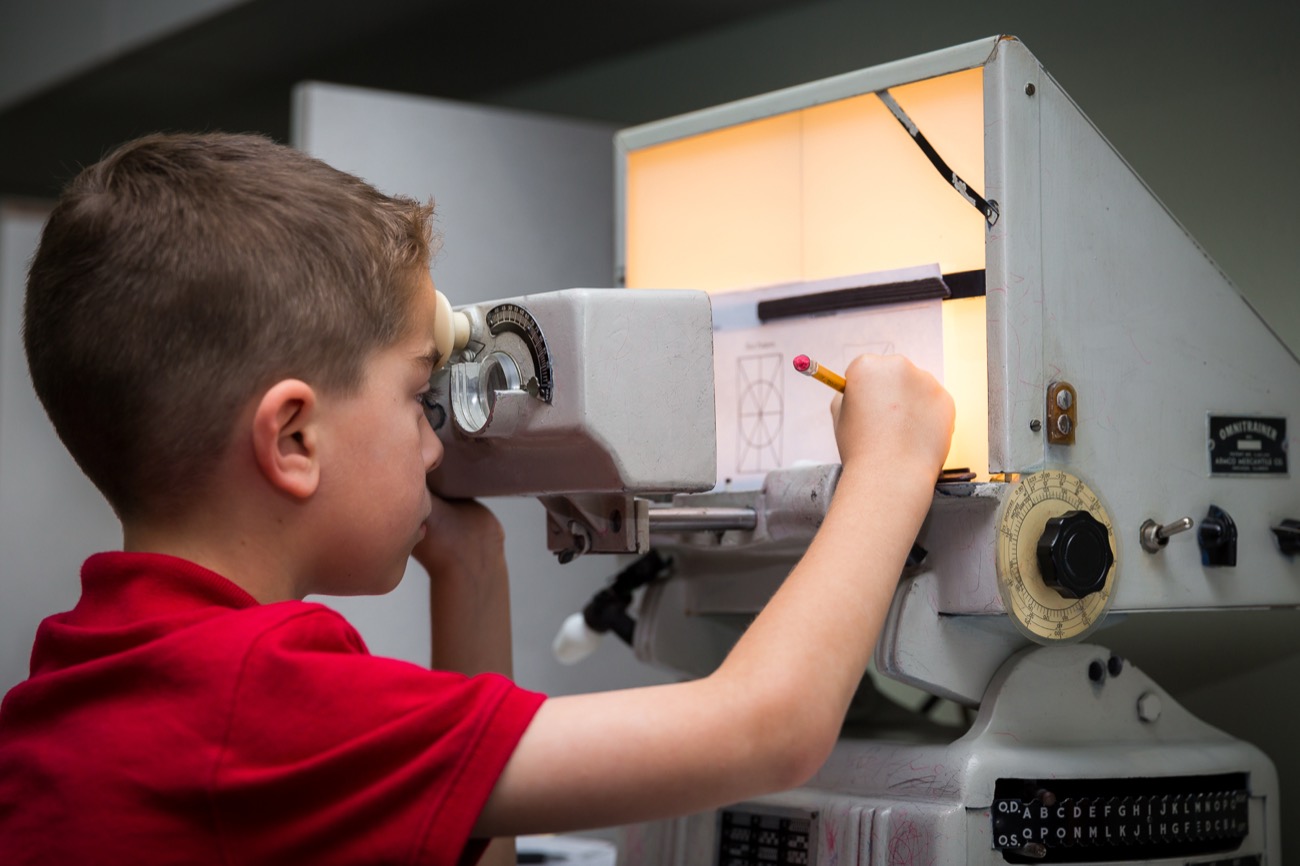
Not much happens in sports until your eyes instruct your hands and body as to what to do! Through Vision Therapy, we can measure and successfully improve athletic visual skills, such as eye-hand coordination, visual reaction time, peripheral awareness, eye teaming, focusing, tracking, and visualization skills – just to name a few.